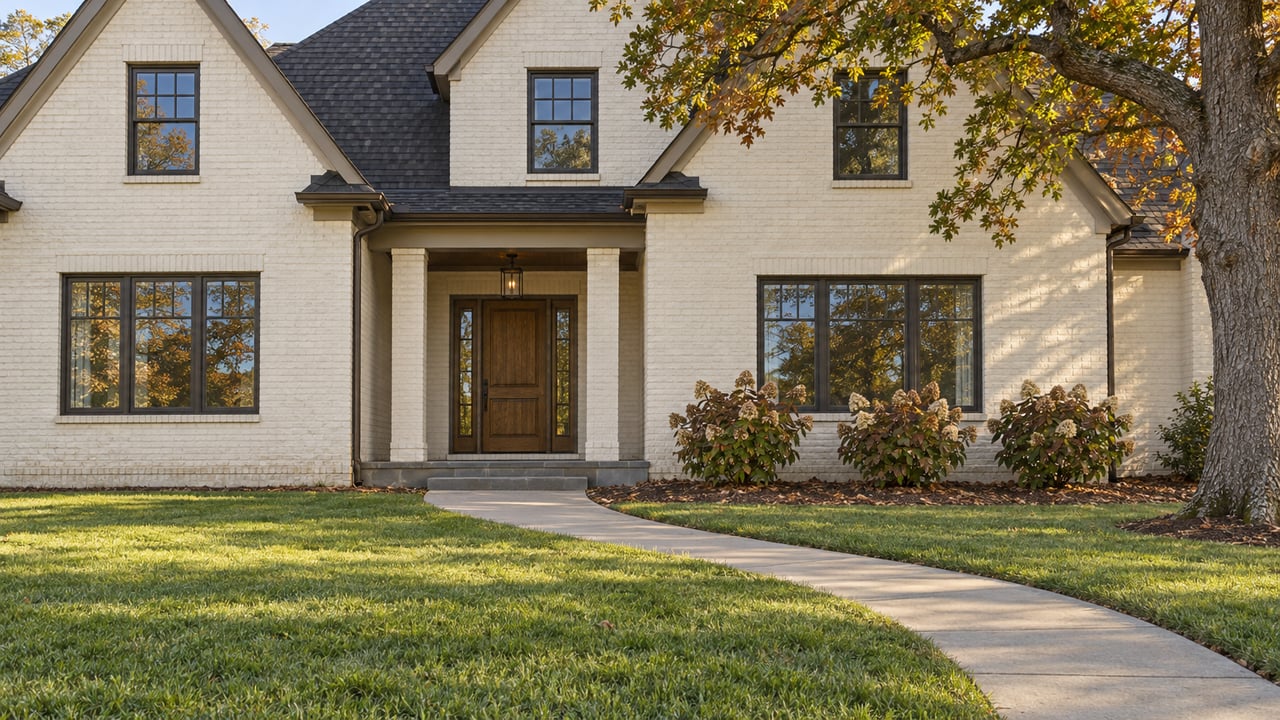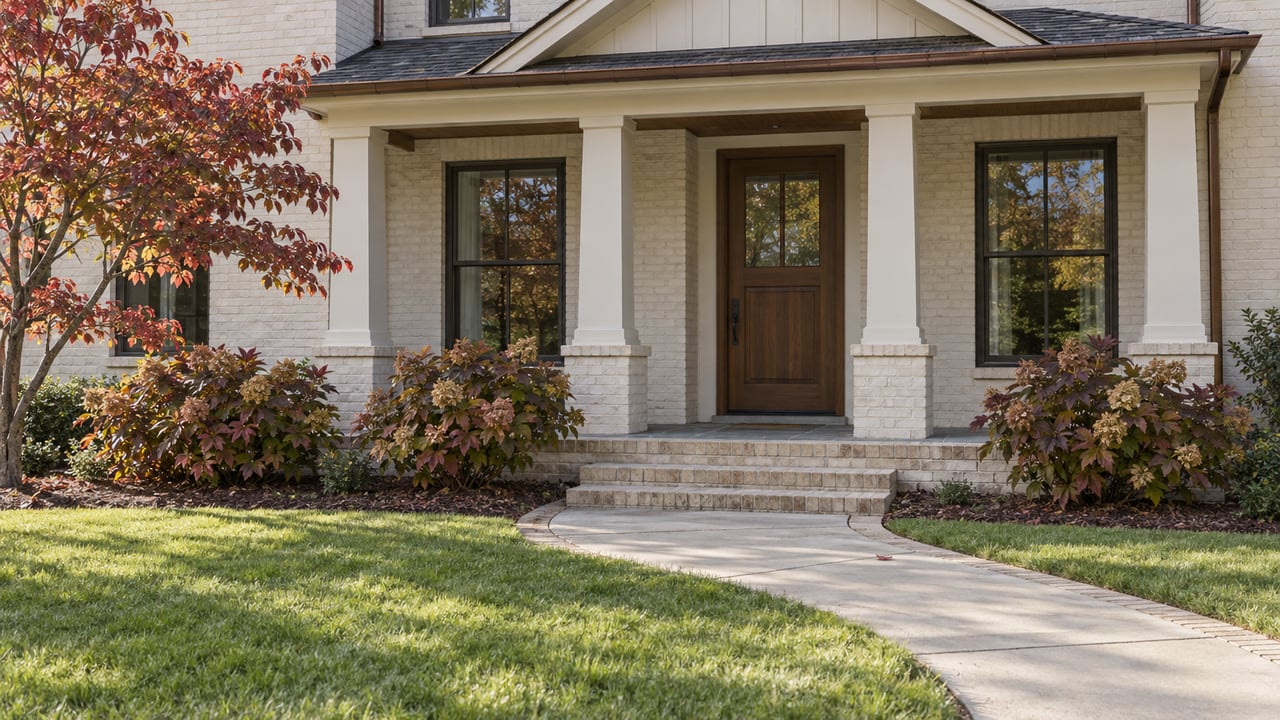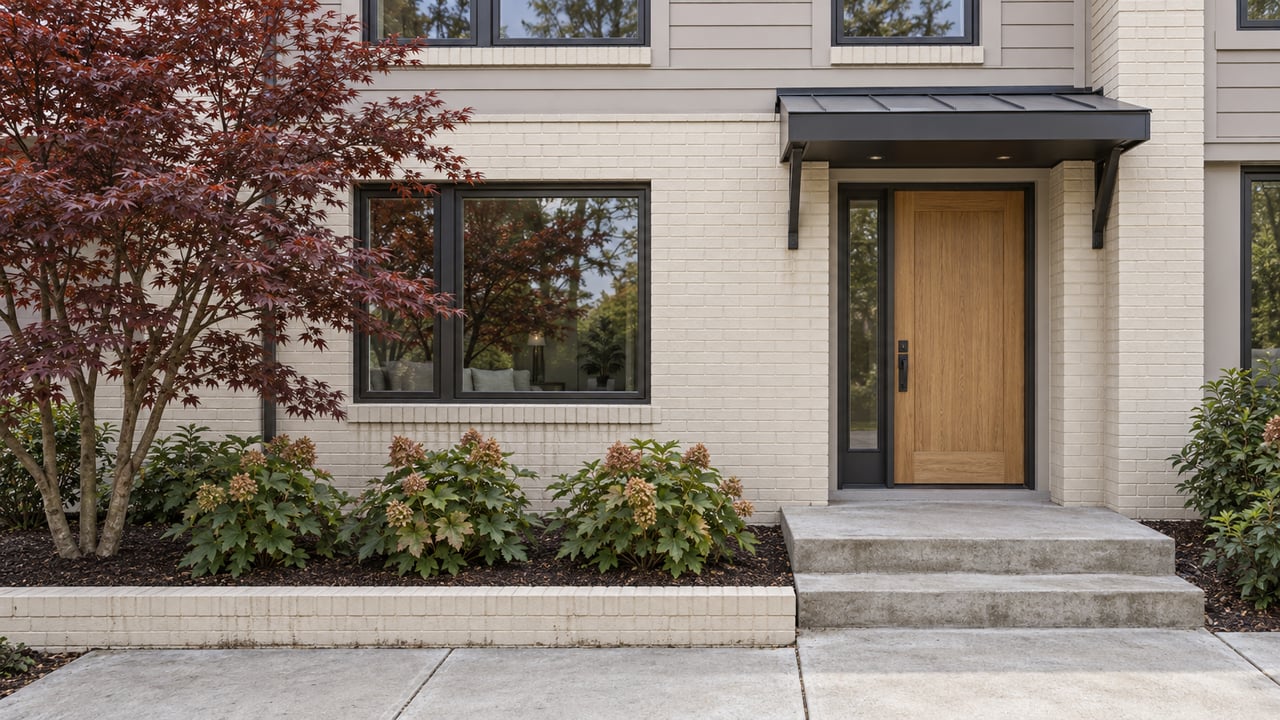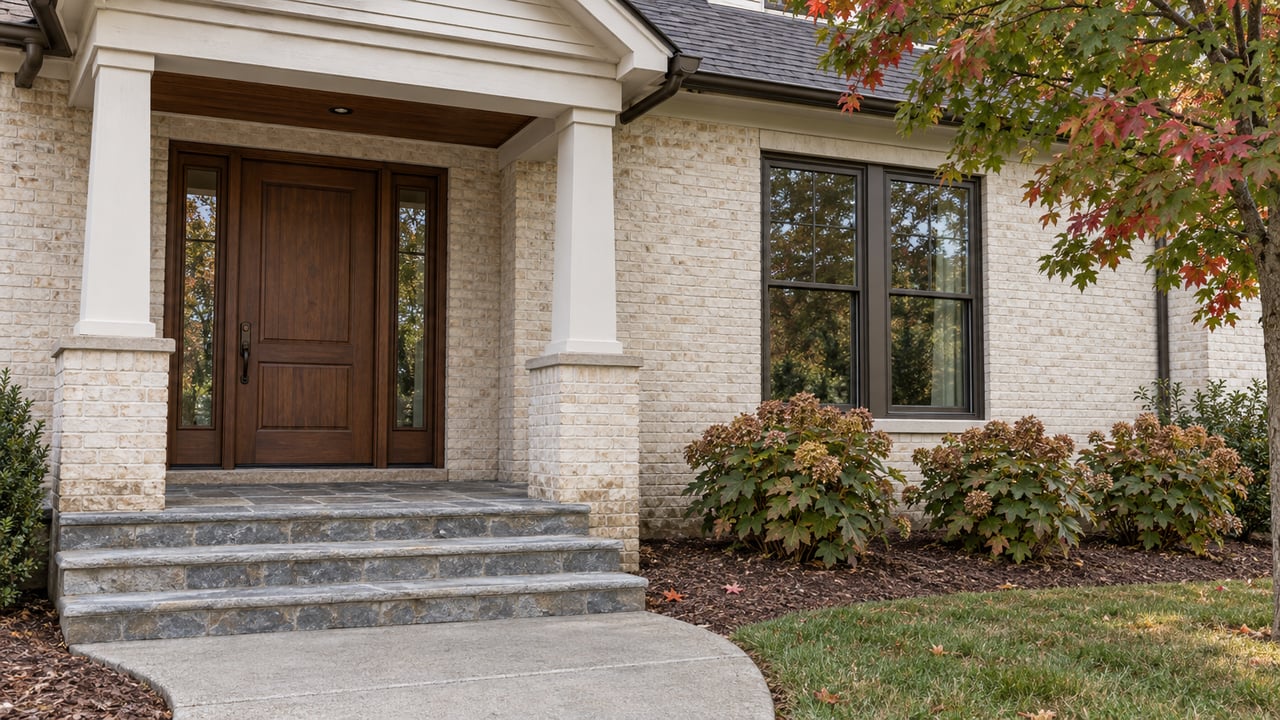
A family closes on a five-bedroom home in Millbridge, the kind of estate lot with mature oaks and enough flat yard to justify the price tag. Six months in, they call a pool contractor. The contractor walks the property, checks a filing at Union County Environmental Health, and delivers the news: the flattest, sunniest stretch of yard is the repair area for the septic system, and, as Charlotte Septic Services explains, nothing permanent can go there. Not a pool, not a pool house, not an outdoor kitchen. The alternative is relocating the entire drainfield first, a project that typically runs $15,000 to $25,000 before the pool budget even starts.
This isn't a rare surprise in Waxhaw's estate neighborhoods. It's a structural feature of how these lots are built, and it explains something buyers and sellers both tend to misjudge: a septic system on a $900,000 property isn't a downgrade from municipal sewer. In much of Waxhaw, it's the only option county infrastructure currently allows.
What a repair area actually reserves
North Carolina requires every septic system to have a designated repair area, a section of land equal in size to the existing drainfield that has to stay undisturbed in case the original field ever fails and needs replacement. Union County Environmental Health won't issue a permit for a pool, deck, or outdoor structure that encroaches on it. The rule exists to guarantee a working backup if the primary system degrades, which on a property with a single wastewater option isn't optional infrastructure. It's the only fallback.
On a standard suburban lot, this rarely collides with anyone's plans. On Waxhaw's larger estate parcels, where six-bedroom homes sit on systems designed for over 1,000 gallons per day, the repair area can occupy a meaningful share of the usable yard. Add mature hardwoods that buyers value for shade and privacy, and you get a second layer of friction: oak roots are one of the more common causes of drainfield line damage, which means contractors installing or repairing systems near specimen trees often have to route lines through open ground rather than through the trees people bought the lot for in the first place.
The geology underneath doesn't make this easier. Waxhaw sits on what soil scientists describe as the Carolina Slate Belt, where weathered granite bedrock produces mixed soils with sandy surfaces over dense clay. Some lots carry granite boulders large enough to require blasting before a system can go in at all. None of this shows up on a listing photo. It shows up in a soil evaluation, and by then a buyer has usually already pictured where the pool goes.
Why septic shows up on luxury lots in the first place
The instinct is to assume homes at this price point simply weren't hooked up to sewer because of when they were built or how far out they sit. The real constraint is capacity, and it's a live one.
Waxhaw's public wastewater runs through the 12 Mile Creek treatment plant on Kensington Drive, which also serves Weddington, Wesley Chapel, Indian Trail, Stallings, and parts of Marvin. According to reporting compiled from Union County Water's own tracking, the plant's permitted capacity sits at 7.5 million gallons a day, and roughly 90.6 percent of that has already been allocated, leaving under a million gallons of daily capacity for everything still approved but unbuilt. That's not a projection. That's where the math stood as new residential approvals kept moving forward.
When a treatment plant is that close to its ceiling, new development in the surrounding area doesn't get automatic access to sewer lines just because the homes are expensive. Some Waxhaw developments have turned to private sewer package plants as a workaround, but those come with their own tradeoffs. They cost more to operate relative to the capacity they provide, and the HOAs that typically inherit responsibility for their upkeep need to stay current to avoid improperly treated overflow down the line. Septic, for many estate subdivisions, isn't the fallback option. It's the more predictable one.
Downtown Waxhaw itself is mid-upgrade. Union County Water began replacing roughly 8,000 linear feet of water main dating to the 1930s in the downtown core in late September 2025, a project awarded to Dawn Development Company and expected to wrap by October 2026, with a second phase replacing about 4,000 feet of sewer line starting in the following months. That work strengthens the town center. It doesn't extend sewer capacity out to the large-lot subdivisions where most of the region's higher-priced inventory sits, which means the repair area conversation isn't going away for anyone shopping in that segment over the next several years.
What actually has to transfer at closing
Buyers sometimes assume a septic system passes to them the same way a roof or an HVAC unit does: it's there, it works, it's theirs. What actually needs to change hands is a permit, and North Carolina's process, as described by J&M Septic, runs through three sequential steps.
| Permit | What it confirms | Who issues it |
|---|---|---|
| Improvement Permit | Soil and site conditions support a septic system, and what type | County environmental health after soil evaluation |
| Construction Authorization | An approved system design matches the site conditions in the Improvement Permit | County environmental health, before installation |
| Operation Permit | The completed system was built to the approved design and passed final inspection | County environmental health, after installation |
The Operation Permit is the one that matters at a property transfer, as Septic & Well Pro explains. A functioning tank without a matching, verifiable permit record is a gap worth closing before contract, not after.
North Carolina doesn't have a statewide law forcing a seller to order a septic inspection before listing, as Redline Site Services explains. Unlike states that mandate one at closing, NC leaves it to the market, which in practice means it shows up as a lender requirement rather than a legal one for most financed purchases. Separately, the state's Residential Property Disclosure Act requires sellers to disclose known material defects, septic problems included, so the absence of a legal inspection mandate doesn't create room to withhold something the seller already knows about.
Union County transactions typically run on a due diligence period, generally 10 to 21 days, during which a buyer can order inspections and walk away without forfeiting earnest money if something material turns up. The people who use that window well schedule the septic inspection in the first few days rather than the last, and they have their agent or attorney request the property's permit history from Union County Environmental Health early enough to still act on what it shows. Those records won't describe current condition, but they'll confirm what was actually permitted, which matters when a listing describes a system that may predate the current owner.
What this means before you list or write an offer
For a seller preparing a Waxhaw estate home for market, the practical move is to pull the permit file before a buyer's inspector does. Knowing where the repair area sits, and whether it overlaps with the spot a future buyer will assume is pool-ready, lets you set expectations in the listing rather than absorb a renegotiation mid-contract. If the system is an advanced treatment type, it's also worth confirming the Operation Permit renewal is current, since those systems require documented inspection on a five-year cycle rather than a one-time approval.
For a buyer, the questions worth asking before writing an offer are specific: where is the repair area relative to the areas you'd want to build on, what type of system is installed, and does the seller have permit records on file or does someone need to request them from the county. None of these questions slow down a strong offer. They just make sure the offer accounts for what the lot can actually support.
A home on septic in Marvin, Weddington, or Millbridge isn't a compromise on the luxury the price point promises. It's a property with one more layer of due diligence than a home on municipal sewer, and in a market where treatment capacity is genuinely constrained, that layer isn't going away soon.
A few questions worth answering directly
Does a septic permit automatically transfer to a new owner at closing? The system itself transfers with the property, but the Operation Permit on file with the county needs to match the system as built. Requesting the permit history during due diligence confirms what was actually approved rather than assuming the paperwork is current.
If North Carolina doesn't legally require a septic inspection, why do most buyers get one anyway? Because most residential purchases are financed, and lenders routinely require a septic inspection before funding a loan on a property with a private system, even though the state itself doesn't mandate one for the sale.
What if the repair area sits on the only flat, sunny part of the yard? Relocating a drainfield to free up that space is possible but typically costs $15,000 to $25,000 depending on soil conditions and system type, and it requires a new Construction Authorization before any work can begin. Confirming this before writing an offer, rather than after closing, keeps that cost from becoming a surprise.
If you're preparing to list an estate home on septic in Waxhaw, or you're weighing an offer on one, getting ahead of the permit history and repair area boundaries is exactly the kind of preparation that keeps a good deal from stalling over a detail nobody flagged early. List Ready with Tanaya can help you pull that history and walk the property with the right questions before it becomes a contract contingency.
This article is general information, not legal, tax or financial advice. Consult a qualified professional about your situation.